
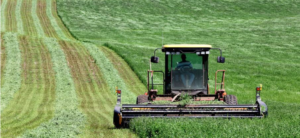
 Curious about late summer hay cutting in georgia? As August fades into September, many people think the farming season winds down. At J & J Hay Farms, the opposite is true. The late summer hay cutting in Georgia represents a critical phase in our yearly cycle. It’s the final push to secure premium forage before the cool season truly sets in. This harvest often separates the average producers from the dedicated ones, as it requires navigating unpredictable weather to capture the last flush of summer growth.
We don’t coast to the finish line. We sprint. This guide explains why the late summer harvest matters, the unique challenges we face during this season, and how our team works tirelessly to fill your barns with the highest quality J & J Hay Farms hay.
Why the Late Summer Cut Matters
The late summer cutting is pivotal for two main reasons: nutrition and volume.
Maximizing Nutritional Value
Grasses like Bermuda thrive in heat, but as the days shorten, their growth rate begins to change. A timely late summer cut captures the grass while it is still leafy and vegetative. If we wait too long, the grass becomes stemmy and fibrous as it prepares for dormancy, significantly dropping its protein content and digestibility. By cutting now, we lock in high-quality nutrition that will keep your livestock healthy through the winter.
Winter Supply Security
This cutting boosts our inventory significantly. It ensures we have enough premium hay in Georgia to meet the demands of our customers until spring returns. For horse and cattle owners, this harvest provides the peace of mind that comes with a full loft.
The Challenge: Battling Late Summer Weather
Late summer in Georgia is famous for its volatility. We often face a mix of intense humidity, pop-up thunderstorms, and shorter drying days. These factors make hay production a high-stakes game.
- Humidity: High humidity slows the drying process. Hay that sits on the ground too long loses color and nutrients.
- Pop-up Storms: Afternoon thunderstorms are notoriously hard to predict. A surprise shower can ruin a field of cut hay in minutes.
- Shorter Days: As we move toward autumn, we have fewer hours of intense sunlight to cure the hay properly.
How J & J Hay Farms Ensures Quality
Despite these challenges, we consistently produce top-tier forage. We don’t rely on luck; we rely on precision and experience.
We Watch the Radar Constantly
Our team monitors weather patterns with obsessive detail. We look for tight windows of clear weather and mobilize our equipment instantly when the conditions align. We don’t cut unless we are confident we can dry and bale the hay safely.
Advanced Conditioning
To combat the humidity and shorter days, we use modern conditioners on our mowers. These tools crimp the stems of the grass, allowing moisture to escape faster. We also use tedders to fluff the hay, increasing air circulation and speeding up the drying process. This ensures the hay cures evenly and retains its green color and sweet smell.
We Test for Moisture
We never guess when it comes to moisture content. Our bales are tested in the field to ensure they meet our strict standards. This prevents mold and ensures that the Georgia hay farms product you buy from us is safe for your animals.
Finish Your Season with the Best
The late summer hay cutting determines the quality of feed your animals will eat for months to come. At J & J Hay Farms, we put in the extra effort now so you don’t have to worry later. We are committed to finishing the season strong and providing you with forage you can trust.
Don’t leave your winter feeding program to chance. Secure your supply of late summer hay from the experts who know how to handle Georgia’s climate.
Contact J & J Hay Farms today to stock up for the season ahead.
- Call Us: 678-679-0936
- See Our Products: View Hay for Sale
- Get in Touch: Fill out our Contact Form