
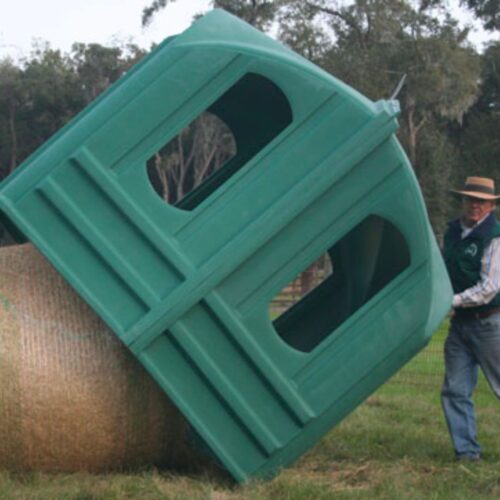
 How to Store Hay for Winter? As the crisp fall air settles here in North Georgia, livestock owners know that winter is just around the corner. You have spent time and money securing a good supply of hay to see your animals through the colder months. Now, the most important task is protecting that investment. Improper hay storage can quickly turn nutritious, high-quality forage into a dusty, moldy waste of money that poses a health risk to your animals.
The humid climate in our region presents a unique challenge, even in winter. Learning how to store hay correctly is a non-negotiable skill for every farm owner. This guide offers simple, practical hay storage tips to ensure the hay you stack in the fall is just as fresh and safe when you feed it in the spring.
Why Proper Winter Hay Storage is Crucial
Hay is a dried plant, but it is not completely inert. It continues to interact with the environment, especially with moisture in the air. When stored incorrectly, hay can absorb moisture from the ground or humid air, creating the perfect environment for mold to grow. This leads to several problems:
- Health Risks: Moldy and dusty hay can cause serious respiratory issues in horses, like heaves (Recurrent Airway Obstruction), as well as colic and other digestive problems.
- Nutritional Loss: Mold and excessive heat during storage break down the essential vitamins, proteins, and minerals in the hay, leaving you with a nutritionally empty product.
- Financial Loss: Every bale lost to mold is money thrown away. Protecting your hay is protecting your wallet.
The Three Pillars of Safe Hay Storage
Effective winter hay storage comes down to three key principles: keep it dry, give it air, and stack it smart.
1. Keep It Dry from the Ground Up
Moisture is the number one enemy of stored hay. Your storage location must protect your hay from rain, snow, and, most importantly, ground moisture.
- Find a Covered Location: A dedicated barn or a three-sided shed is the ideal place for winter hay storage. A solid roof is your first line of defense against the elements. If you absolutely must store hay outside, use a high-quality, waterproof tarp. Ensure the tarp is secured tightly to prevent wind from blowing rain or snow underneath it.
- Get It Off the Ground: Never, ever stack hay directly on the ground. Dirt, gravel, and even concrete floors will transfer moisture directly into the bottom layer of your stack, causing it to rot. The simplest and most effective solution is to place your hay on wooden pallets. This creates a critical air gap that allows moisture to escape and prevents the wicking action from the ground.
2. Give It Air to Breathe
Ventilation is just as important as keeping hay dry. Hay naturally generates a small amount of heat and moisture after being baled, a process often called “sweating.” If this heat and moisture cannot escape, it creates a damp, stagnant environment where mold thrives.
- Leave Space Around the Stack: Do not pack your hay tightly against the barn walls. Leave at least a foot or two of space between the stack and the walls. This allows air to circulate around the entire pile, wicking away moisture.
- Don’t Stack to the Rafters: Avoid filling your barn to the absolute ceiling. Trapping warm, moist air between the top of the stack and the roof can steam your top bales and encourage mold growth. Leaving space above the stack allows that air to escape.
- Promote a Cross-Breeze: If your barn has windows or doors on opposite sides, open them on dry, breezy days to encourage airflow. This helps to exchange the damp air inside the barn for fresh, dry air from outside.
3. Stack It Smart for Stability and Airflow
How you stack your hay can make a big difference in both stability and ventilation. A well-built stack is safer and helps maintain hay quality.
- Alternate Bale Direction: For square bales, the best method is to crisscross the bales with each layer. If one layer has the bales running north-to-south, the next layer should run east-to-west. This locks the bales together, creating a much more stable stack that is less likely to collapse.
- Avoid Tight Packing: While you want the stack to be stable, avoid jamming the bales together as tightly as possible. A slightly looser stack creates small air channels within the pile, which helps the interior bales to breathe.
A Note on Hay Quality
These storage tips work best when you start with a high-quality product. Hay that was baled with too much moisture will likely develop mold no matter how well you store it. That is why sourcing your forage from a trusted producer is so important.
At J & J Hay Farms, we take the guesswork out of the equation. We use moisture meters and decades of experience to ensure every bale of our J & J Hay Farms hay is cured to the optimal moisture content. Our hay is baled for safety and longevity, giving you peace of mind that you are storing a premium product. Contact us today to secure a supply of clean, nutritious hay for the winter ahead.