What’s the best way to begin rehabilitation of starved horses?
Bringing a starved horse back to good health and body weight is a difficult task. It may take three to five months of careful management. Even with the best of care, some horses will not survive. Especially those that have lost as much as 50% of their normal body weight.
Note: before any treatment is started, it is critical to determine whether weight loss is due to underfeeding, or results from a medical condition that has caused the horse to stop eating. Treatment is quite different in each case. Caregivers should not assume that an extremely thin horse has simply not had access to feed. Suggestions in this article refer to horses that have been deprived of adequate food for an extended period, but are otherwise in good health.
Physical examination is the first step in rehabilitation, but caretakers need to proceed slowly and cautiously. Horses in poor bodily condition may have received little or no handling or training. They are almost certainly under stress because of being transported and adjusting to new surroundings and handlers. To minimize excitement and avoid injury, quiet, gentle handling is advised.
Frequently, a starved horse has had minimal attention to teeth, hooves, coat, vaccinations, and parasite control. Postpone vaccinations until the horse is in better condition. Reshape overgrown hooves a little at a time in frequent trims. Avoid reactions to large number of dead parasites with several half-dose dewormings. A veterinarian can advise on specific ways to correct any problems associated with neglect, but the general rule is to proceed in small steps. Start hay and feed very gradually.
Why is it dangerous to simply give the horse all the food it will eat?
The natural tendency of caregivers may be to offer a starved horse free-choice hay or pasture. However, this approach can cause a serious or even fatal reaction known as refeeding syndrome. A sudden overload of calories shocks all body systems, and frequently leads to death three to five days after unlimited feeding commences. Although the horse may be ravenous, a strict schedule of frequent mini-meals is the safest course of action.
What type of diet is best for starved horses?
A study at the UC-Davis Center for Equine Health experimented. They fed three diets to starved horses seized by animal control and humane organizations. Diet one was oat hay, which is high in fiber but low in protein. The second was alfalfa hay, which is high in protein but lower in starch.
Diet three was a complete feed that combined grain, fat, molasses, and alfalfa and contained 19% starch. The horses were offered the diets. They varied in volume but contained the same caloric content, for ten days. Horses responded best to the alfalfa hay diet. In addition to protein, alfalfa provides necessary electrolytes that have become depleted in starved horses.
Alfalfa’s relatively low starch content did not cause a steep rise in insulin, a reaction that can contribute to kidney, heart, and respiratory failure in horses without sufficient electrolyte stores. The oat hay, with its high fiber content, caused diarrhea in some horses, and the high-carbohydrate feed triggered a dangerous insulin spike.
In another trial, two equal-calorie diets—alfalfa hay, and alfalfa hay with corn oil—were evaluated. Again, alfalfa hay was judged superior for initial feedings. It provided a better range of nutrients in addition to calories.
How should hay be offered?
The most cautious recommendation is to give a handful (no more than a pound) of alfalfa hay. Do this every three to four hours, to total about six to eight pounds in 24 hours for a horse weighing 1000 pounds. Continue for the first three days. Gradually increase the amount of hay and decrease the number of feedings ff the horse tolerates this program with no diarrhea or other problems. By the sixth day, the horse should be receiving three or four pounds of hay every six to eight hours (12 to 13 pounds per day). Increase amounts of hay gradually. 10 to 14 days into the program, the horse is eating free-choice hay. Use clean grass or mixed hay if alfalfa causes severe diarrhea.
When can concentrated feed be given?
Carefully introduce grain to avoid metabolic problems even after the horse is eating a large quantity of hay. The ten-day trial in the UC-Davis experiment did not offer concentrate. In some recommended treatments, grain is not fed until the third or fourth week,. Subsequently, give very small amounts (four ounces twice a day.) Very gradually, increase grain until the horse is eating the desired amount. The daily amount of grain should not exceed one percent of the horse’s body weight (10 pounds a day for a horse weighting 1000 pounds.) No single feeding should exceed five pounds of grain. A fortified concentrate with 12% protein is adequate for the rehabilitation of mature horses. Introduce salt slowly, beginning at a rate of 2 ounces a day. Water should always be available.
What if the horse refuses food?
Pain, illness, fever, and stress may depress the horse’s appetite. In addition, he may simply not have the energy to chew and swallow. Tempt horses that refuse to eat with a little fresh grass, oats, bran mash, or treats such as carrots or apples. Offer only a small amount. Remove uneaten food from the feed tub.
What is the prognosis for starved horses?
A sound nutritional plan, along with careful attention from a handler, veterinarian, and farrier, can save many starved horses. Recovery may take several months. During this time evaluate and treat each horse on an individual basis.
Resources:
In conclusion, do you have questions about Refeeding the Starved Horse? Contact us at J & J Hay Farms by clicking here!
Article Sources: Kentucky Equine Research
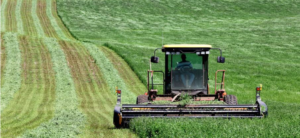 Rhizoma Peanut Hay for Horses: When horsemen think of legume hay, alfalfa invariably springs to mind with clover or lespedeza as possible runners-up. Few people probably think of rhizoma peanut (Arachis glabrata Benth), a warm-season perennial legume. While rhizoma peanut gets high marks for productivity and persistence in varying management and environmental conditions, how does it stack up nutritionally against alfalfa, the long-revered gold standard of legumes for horses?
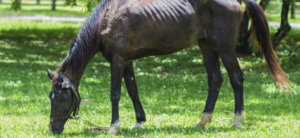 Refeeding the Starved Horse: Horses, like other animals, use the food they eat to meet the requirements of growth and maintenance. Horses eat enough grass, hay, and grain to provide plenty of energy for body functions as well as whatever exercise they are required to perform under normal circumstances. They can sustain most functions for some time when low levels of feed are available. However, weight loss may result as stored fat is burned. As the period of low or no feed is extended, they utilize protein (tissue from muscles, heart, and gastrointestinal tract) for energy. It is this burning of protein and resultant loss of body mass that differentiates a starved horse from one that is merely low on calories for a short period.
 Mudbound: Feeding Horses in Muddy Pastures. When it comes to horse care, mud makes everything harder. How can horse owners deal with sloppy mud and still provide wholesome meals to their horses?
 First-Cutting Hay for Horses: Buy or Bypass? Some horse owners snub first-cutting hay for horses, regardless of whether it is grass or legume. Why, you ask? Reasons abound.
 Sampling Techniques for Hay Analysis: Accurate hay analysis depends on sample quality. In short, laboratories cannot do a worthwhile job if they have only poor samples to analyze. Laboratory personnel tell stories of receiving a complete flake or slab of hay, a handful of hay pulled from a bale or grabbed from the hay feeder, or a small wad of hay cut up with scissors. These submissions are not quality samples and cannot be used by a laboratory.
 Feeding Horses Hay Before Grain Meals: Concentrates perfectly complement a forage-based ration when they are fed according to the manufacturer’s recommendations. When horses rapidly consume large amounts of concentrates, beyond the meal size recommended by the manufacturer, negative effects on overall health can occur.
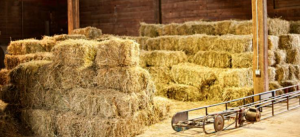 Feeding Low-Carbohydrate Hay or Straw to Obese Horses: The excess weight carried by obese horses may be an indication of an “easy keeper” metabolism. As a result, the heavy load can eventually take a toll on weight-bearing joints. In other cases, the bulging fat pads and cresty neck could be signs of metabolic diseases that put the obese horse at increased risk for laminitis. Either way, owners of overweight horses are often advised to work toward weight loss in their equines. This usually involves increasing the horse’s exercise level, eliminating grain, restricting grazing time, and feeding a low-carbohydrate source of fiber.
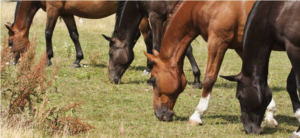 Watch Out For Toxic Plants in Hays, Pastures: Aren’t horses smart enough to know what they can and cannot eat?
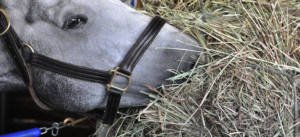 Determining Hay Quality for Horses: Hay quality is assessed primarily through on smell, feel, and visual appearance. Generally, hay should be fine-stemmed, green, and leafy. It should have a sweet smell and be free of any mold. Excessively bleached or discolored hay should be avoided. In addition, any that smells musty, dusty, or fermented. Avoid hay with high amounts of weeds, dirt, trash, or debris. In addition, hay with signs of insect infestation.