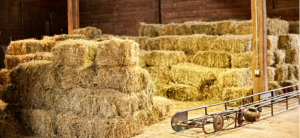
 The color of horse hay is very useful in determining the quality of the hay. Methods of curing and storing hay greatly influence its appropriateness for horses.
The key to properly cured hay lies predominantly in moisture content. For best results, hay should not be baled until there is less than 20% moisture. Hay baled too wet might mold, heat, and pose a fire risk. Conversely, hay baled too dry might lose its nutritional value through broken or fallen leaves. Rain is the bane of a hay harvester’s existence, and it can cause extensive nutrient losses, especially to vitamins A and E, protein, and certain carbohydrates.
Though the color of hay is not the end-all, be-all method for determining hay quality (that would be forage analysis by a laboratory), color is a useful indicator of nutritive value.
Green:
Without question, the most desirable color of hay is bright green. Greenness indicates the hay was not subjected to any adverse conditions during curing or storage, thereby suggesting the forage is nutritious and free of molds. Green hay is often rife with carotene, a precursor to vitamin A, and vitamin E.
Yellow:
If hay is yellow, there is a likelihood that it was overmature when cut or was exposed to rain during the curing process. If the hay was rained on, it is not only susceptible to leaching of nutrients but also mold proliferation, which can cause gastrointestinal and respiratory problems such as colic, coughing, or heaves. In other instances, yellowing might be due to sun-bleaching, which occurs when stored hay is exposed to direct sunlight. Sun-bleaching decreases carotene content and palatability of the discolored hay. Sun damage usually affects only the outside of bales, so much of the hay in these bales is probably salvageable.
Brown:
Nutritious hay is rarely, if ever, brown. If a tobacco-like odor accompanies extremely off-colored hay, this is likely due to overheating during storage caused by excessive moisture and fungal growth. Palatability of low-quality brown hay is usually poor. Due to the predisposition to mold and unpalatability, this hay should not be fed to horses.
Not all horses require bright green, nutrient-dense hay. In fact, equine nutritionists are adamant that forage selection be based on individual needs. An overweight pony does not need to stand knee-deep in fluorescent alfalfa (lucerne) for two-thirds of the day, and a thinnish lactating mare needs more than last year’s yellowing meadow grass to keep her in milk.
Other factors also affect hay quality including plant type (grasses versus legumes), stage of maturity, leaf-to-stem ratio, and presence of mold, weeds, and other foreign material.
Would you like more information about hay diets? Contact us at J & J Farms by clicking here!
Article brought to you by KER.
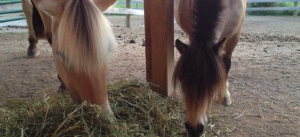 An age-old question: when is feeding old hay to horses O.K.?
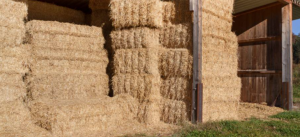 Cultivating good-quality hay is no easy task and is dependent on cooperative weather for optimal success. Hay farmers must keep a keen eye on plant growth, the moisture content at harvest, and other baling considerations in order to avoid moldy hay for horses. Mold forms on hay because of excessive moisture, which is why it is so critical to harvest hay under the most conducive conditions and then store it properly once baled.
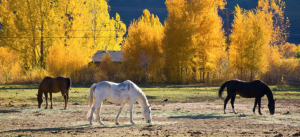 As autumn shifts to winter, or summer droughts begin to set in, horse owners in many climates must provide horses with an appropriate alternative forage to fulfill fiber requirements. In most cases, this involves switching to hay, haylage, or hay cubes.
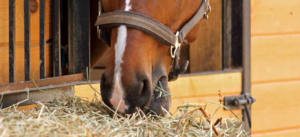 Common hays fed to horses include various pure grass hays, mixed grass hays, and legume hays such as alfalfa (lucerne) and clover. If these hays are not available, horse owners may have to choose alternative hays from less traditional hay types. While these other forages are usually suitable for horses, some have associated risks.
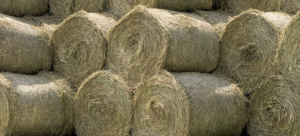 hay for your horse has much to do with his metabolism. Is your horse an easy keeper that requires few calories to stay in fighting weight? Or, is he a hard doer that demands calorie-laden meals to maintain reasonable body condition? Perhaps he is of moderate metabolism—if he’s fed normal fare in standard amounts, he’s good to go. What’s a horse owner to do when it comes to pairing metabolism with hay selection? Use these general tips to find a suitable hay for your horse.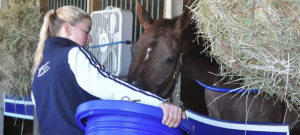
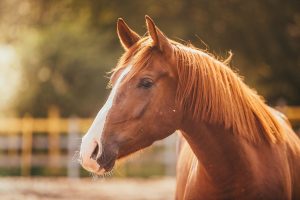 Horsemen recognize the importance of good-quality forage for horses and ponies. As such, horse owners are becoming savvier in choosing the best hay for their horses, especially when those horses are affected by metabolic conditions.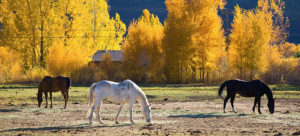
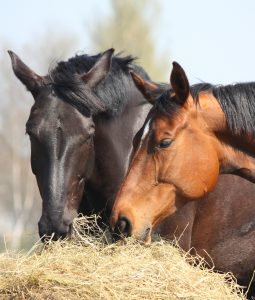 During times when pasture is not available, such as after a drought or wildfire, the selection and purchase of hay or other forage sources becomes a vital decision for horse owners. The quality and nutrient content of the hay or forage source is critical because it is the foundation of the horse’s diet and provides 50 to 90% of the total nutrient intake for many horses.